
NuLine News September 2026
Your stuff called. It wants insurance.

By: Amy Streifel
When you have college students, it seems, as parents, our days are now filled with moving our kids from dorm to dorm or apartment to apartment. We’ve done it a few times now and it seems like something new is always popping up. Being the resident insurance agent, I get asked by other students all sorts of questions. The number one question is usually, “my landlord needs something from me showing I have insurance.” Most students have no idea where to start with that and most are used to their parents taking care of everything. This is a perfect time for their first lesson in insurance. Moving into an apartment is a very grown up step and right along with it, comes insurance. For many college students and young adults, moving into a first apartment is an exciting milestone. Between signing a lease, buying furniture, and decorating a new space, renters insurance is often overlooked. However, it is one of the most affordable ways to protect your belongings and your finances. While your landlord’s insurance covers the building itself, it does not cover your personal property if it’s damaged or stolen. Think about everything you own your laptop, smartphone, gaming console, television, textbooks, clothing, and furniture. Replacing those items after a fire, burst pipe, theft, or other unexpected event could cost thousands of dollars. Renters insurance helps cover the cost of replacing your belongings, giving you peace of mind without putting a major dent in your budget. In many cases, a policy costs less than a few streaming subscriptions each month. Renters insurance also provides valuable liability protection. If a guest is injured in your apartment or you accidentally cause damage to someone else’s property, your policy may help cover legal expenses and medical bills. This type of protection can be especially important for first-time renters who may not realize how quickly unexpected accidents can become expensive.
· Choose enough personal property coverage. Make a rough inventory of your belongings (electronics, furniture, clothing, jewelry, etc.) so you’re not underinsured.
· Understand liability coverage. This can help if someone is injured in your home or if you accidentally damage someone else’s property.
· Ask about replacement cost coverage. Replacement cost reimburses what it costs to buy a new equivalent item, while actual cash value factors in depreciation.
· Document your belongings. Take photos or videos of each room and keep receipts for valuable items. Store copies in the cloud.
· Know your deductible. A higher deductible usually lowers your premium, but make sure you could comfortably pay it if you file a claim.
· Check for discounts. You may save money by bundling with auto insurance, installing smoke detectors or security systems, or maintaining a claims-free history.
Review your policy annually. Update coverage after major purchases or life changes.
Claim Corner
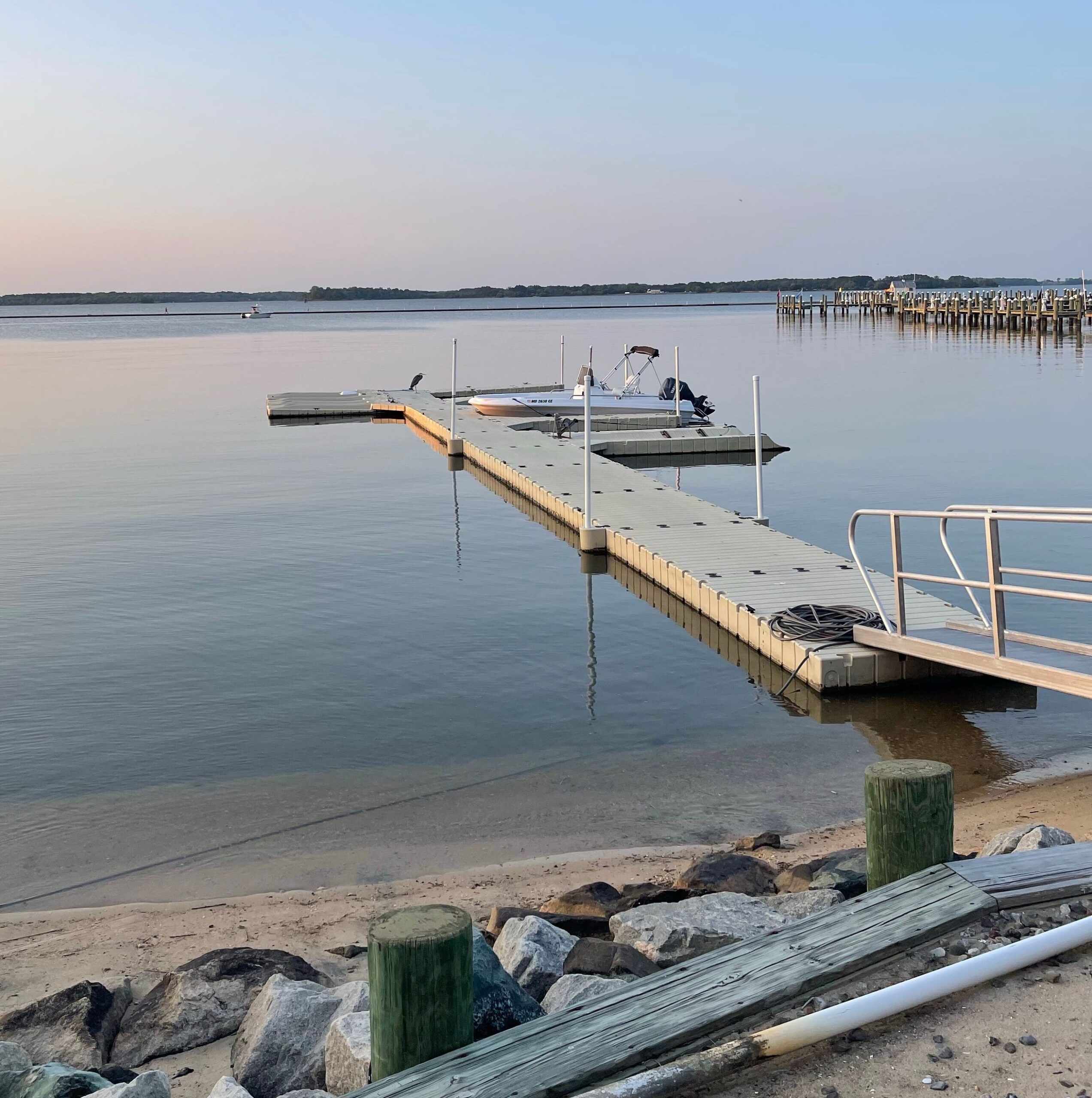
Insurance is an important consideration for owners of small lake docks. Depending on the homeowner’s insurance policy, a dock may have limited coverage for damage caused by covered events such as wind, fire, or vandalism. However, many policies exclude or limit coverage for damage resulting from flooding, ice movement, wave action, or gradual deterioration. In some cases, property owners may need additional endorsements or a separate policy to ensure the dock is adequately protected.
Regular maintenance helps extend the life of a small lake dock and may reduce the likelihood of costly repairs. Routine inspections can identify loose boards, corroded hardware, unstable supports, or other issues before they become serious. Proper seasonal care, such as removing a portable dock before winter or inspecting a permanent dock after ice-out, can also help prevent damage. Combining consistent maintenance with appropriate insurance coverage helps protect both the dock and the investment it represents.
When Homeowners Insurance Does NOT Cover a Dock
· Floating, removable, or seasonal docks (often treated as personal property)
· Docks without proper permits from city or lake authorities
· DIY-built docks without professional installation or documentation
· Commercial use, like renting slips or shared access with renters
· Docks at marinas or not on your primary residence property
· Damage from flooding, freezing, or boat collisions
· Structural collapse not caused by a covered peril
· Pre-existing damage on old or neglected docks
Recipe of the Month
Apple Cinnamon Overnight Oats

Ingredients:
1/2 cup rolled oats
3/4 cup almond milk or milk of choice
1/4 cup Greek yogurt or yogurt of choice
1 Tablespoon Chia Seeds
1/2 tablespoon Maple Syrup
1/4 cup Applesauce (unsweetened)
1/4 teaspoon ground cinnamon
Optional toppings
Applesauce
Cinnamon
Fresh Chopped Apples
Simply add all of the ingredients to an airtight jar or container. Stir or shake to fully combine.
Place overnight oats in the fridge for at least 8 hours up to 3 days (if meal prepping).
Serve with an extra scoop applesauce and a dash of cinnamon on top. You can also fresh chopped apples as a topping.
DO YOUR KIDS HAVE GOOD GRADES

A good student discount will apply to your auto insurance!
How can you get the discount? Just give us a copy of your child’s grades (3.0 or higher) from the last semester and you can start saving. You can do this by having the school secretary email the agency a copy of the grades, drop them off at one of our locations, email them to us atinsurance@nulineinsurance.com or take a picture and text to our agency text line 701-212-4151
This discount alone saved one of our customers over $200 a year! Statistics show that students that have good grades are better drivers!
NuLine News July 2026
The Red, Whites and Bruises

By: Amy Streifel
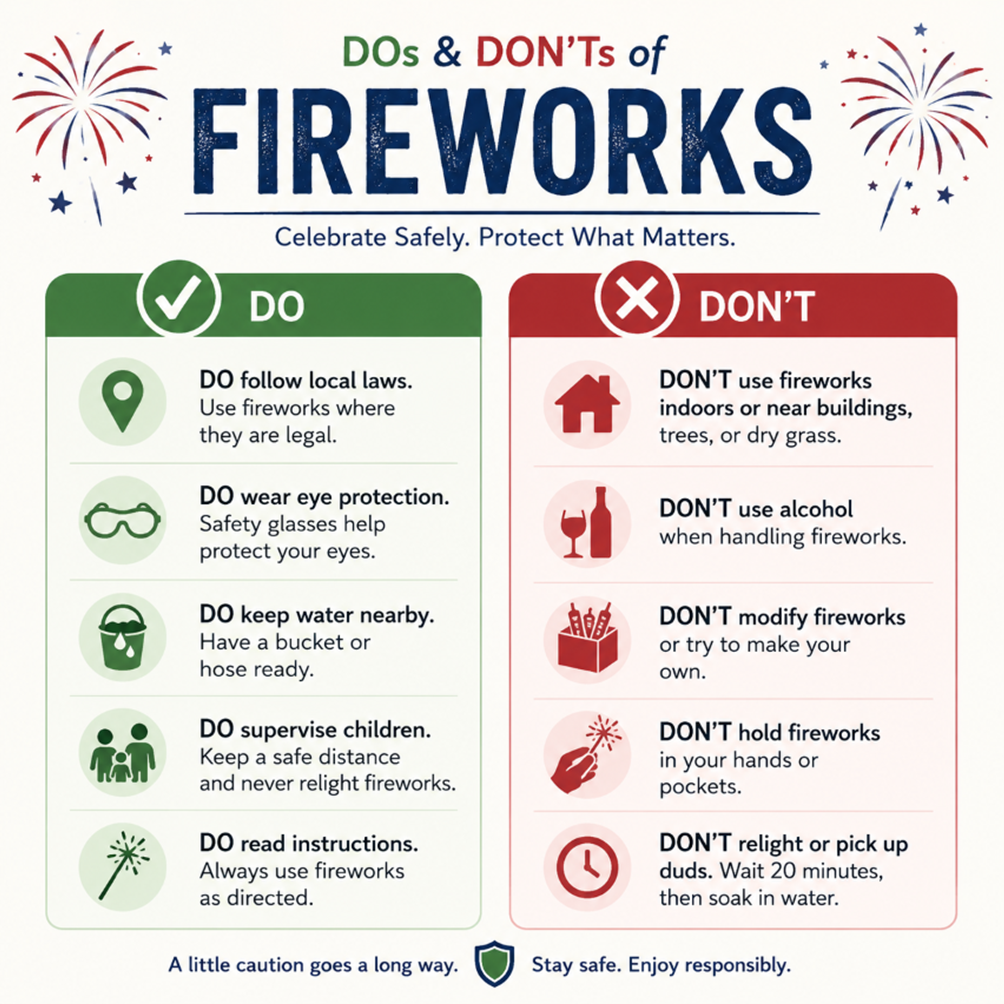
Who doesn’t love the Fourth of July. Food, fireworks and beer! I mean family and friends! People usually have annual festivities they like to attend and it’s no different than our family. We usually gather at my siblings home for a huge fireworks show and BBQ. Last summer we all settled in our lawn chairs outside to watch the show. It got a little chilly, so we moved into the garage a bit. The next thing we know people are screaming and fireworks are shooting at us, inside the garage. We could laugh about it after the fact because no one got badly hurt. I received a few minor knicks and small burns from some of the fireworks, but everyone had their limbs intact. It was a freak accident, even after taking all precautions. I also breathed a sigh of relief my families garage didn’t start on fire, which could have been a real possibility. Fireworks are a favorite way to celebrate holidays and special events, but they also come with risks that can lead to costly property damage and injuries. Every year, fireworks cause thousands of residential fires, making safety an important part of any celebration.
Most homeowners insurance policies cover fire damage to your home if it’s caused by fireworks, regardless of whether the fireworks were yours or a neighbor’s. However, coverage may vary depending on your policy and local laws. If you accidentally damage someone else’s property or someone is injured because of your fireworks, your personal liability coverage may help pay for covered claims. Intentional acts or illegal fireworks, however, may not be covered. The best way to protect your family and your finances is to enjoy fireworks safely. Follow local laws, keep a safe distance, have water nearby, and consider attending a professional fireworks display instead of setting off fireworks at home. Even the safest of people can’t plan for the unexpected. Nationally, the CPSC estimated about 13,000 fireworks-related injuries and 15 deaths occurred in 2025, illustrating that fireworks continue to pose a significant safety risk. Before your next celebration, take a few minutes to review your insurance policy and understand what is—and isn’t—covered. Knowing your coverage can provide valuable peace of mind while you enjoy the festivities.
“Is Your Grain Bin Ready for Storm Season?”
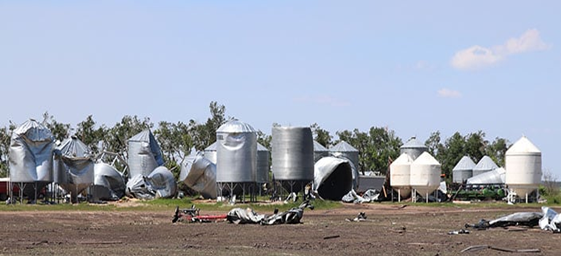
As July brings warmer temperatures and the start of severe storm season in North Dakota, many farmers are focused on preparing for harvest. Equipment is being serviced, fields are being monitored, and grain bins are being cleaned and inspected. While it’s easy to focus on the physical preparations, it’s also a good time to review your farm insurance coverage. Grain bins are one of the most valuable assets on many farming operations, yet they can be vulnerable to damage from hail, high winds, and lightning. Summer storms can dent steel, damage roofs and vents, affect aeration systems, or even compromise the structural integrity of a bin. What may seem like minor damage today could lead to costly repairs or grain storage issues later in the season. It’s unusual for us to go a summer without a claim for grain bin damage. Last summer for instance, one of our insureds noticed a few dents on one of his grain bins and assumed the damage was cosmetic. A closer inspection revealed that the storm had also damaged roof vents and portions of the aeration system. Water began finding its way into the bin during later rains, leading to additional repairs before harvest. Fortunately, the farmer had reviewed his insurance coverage earlier that year and had adequate protection for the grain bin and its components. The claim helped cover the cost of repairs, allowing the bin to be back in service before harvest began.
It’s also worth considering whether your current coverage reflects today’s replacement costs. The cost of materials, labor, and construction has increased significantly over the past several years. If your grain bins were insured based on values from several years ago, there may be a gap between what they’re insured for and what it would actually cost to repair or replace them after a loss.
Before harvest begins, take a few minutes to review your farm policy with your insurance agent. Confirm that your grain bins, outbuildings, and other farm structures are properly listed and insured for their current value. A quick policy review now can provide peace of mind and help ensure your operation is pro tected when summer storms roll through.
Prefer a printable copy? Download the PDF version here.